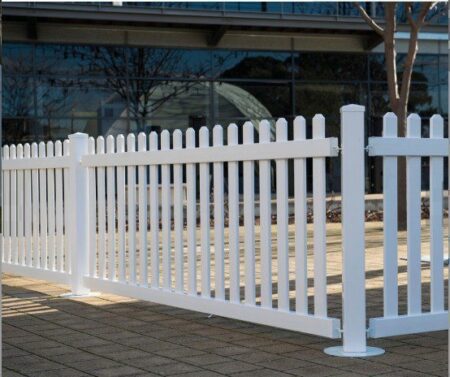
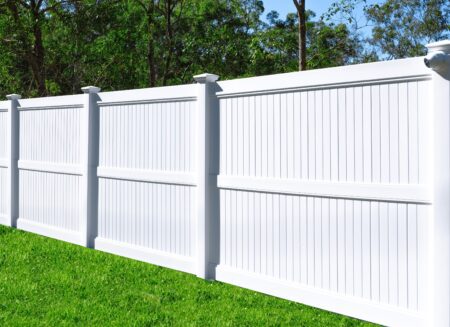
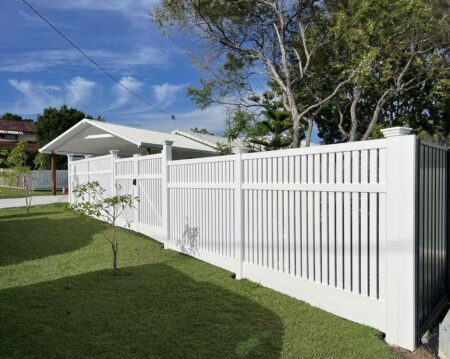
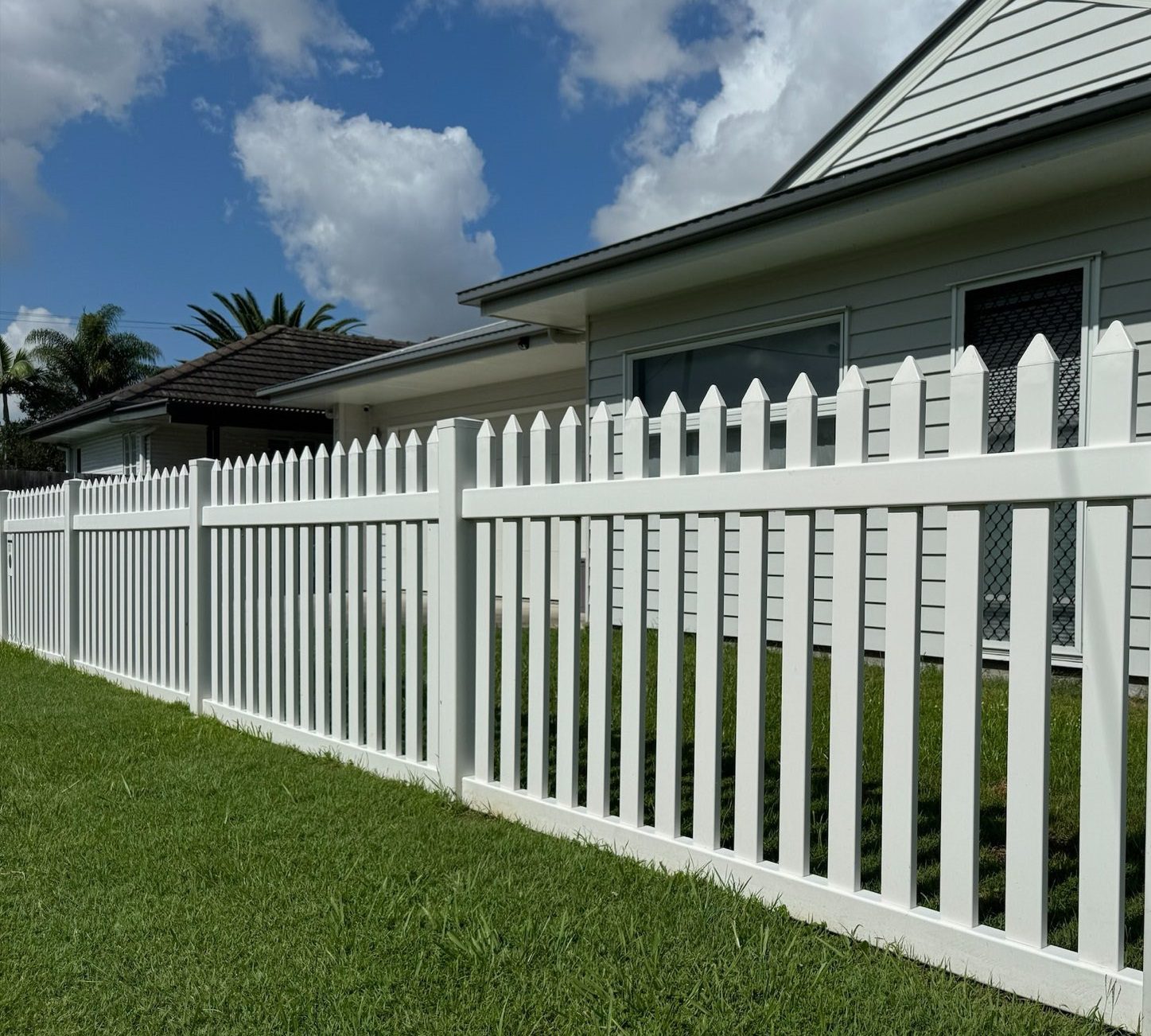
White PVC Fence Panels: How the System Fits Together
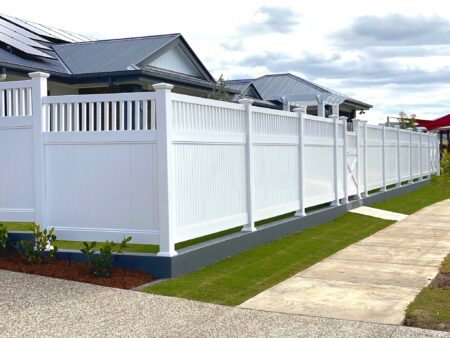
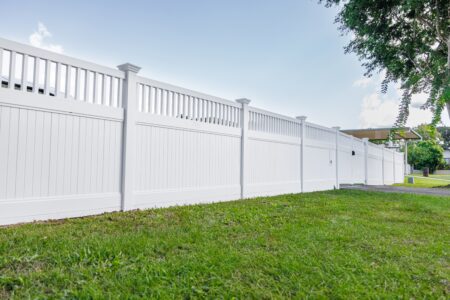
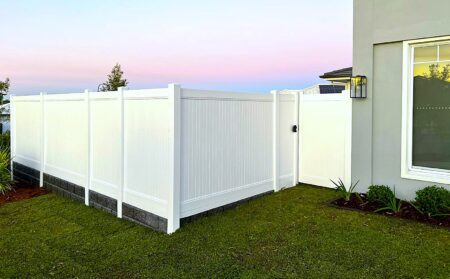
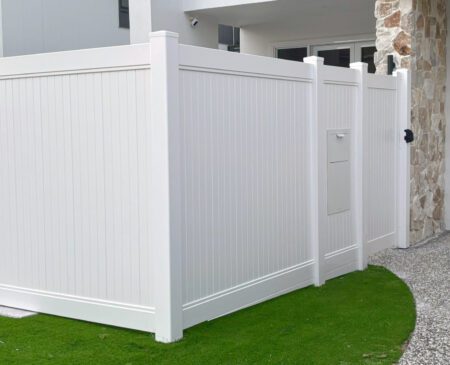
Every fence we supply runs on the same modular system. Reinforced posts set the line and a bottom rail locks in place. Panels slot down between them, then a top rail or post cap finishes the run. Because the parts come in standard sizes, any boundary works out to a predictable panel and post count, which is what the fencing calculator gives you.
You may also see these sold as vinyl or plastic fence panels. It is the same material: UV-stabilised PVC that leaves the factory white and stays white in the Queensland sun.
Fencing Supplies and Accessories
Order the full parts list or only the pieces you are missing. Posts, rails, infill panels, gates and caps are all sold on their own, so you can top up an existing run without reordering the whole fence. Matching an older QFS fence? Send us the model and we will confirm the right components.
Panel Heights and Sizes
PVC panels come in set heights. Pick the height by what the fence needs to do.
| Height | Best for |
|---|---|
| 1.2 m | Garden borders, front yards and keeping pets in |
| 1.5 m | Semi-privacy and picket-top boundaries |
| 1.8 m | Full backyard privacy |
| 2.0 m | Maximum privacy and street-facing boundaries |
Fence Panel Styles
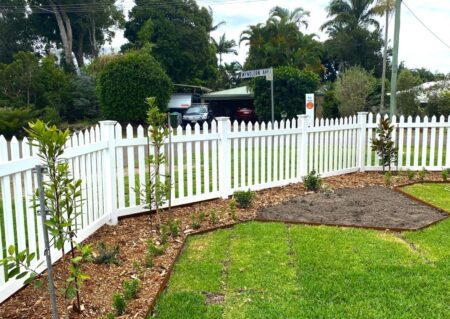
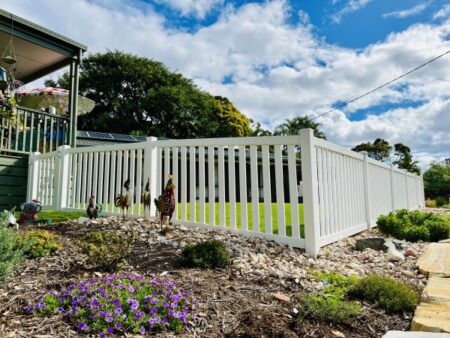
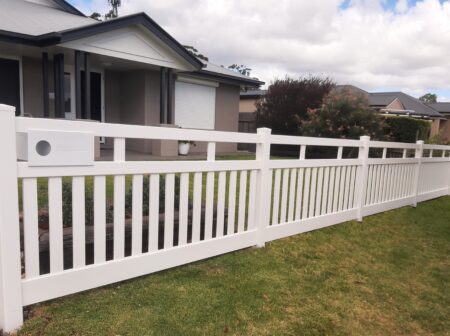
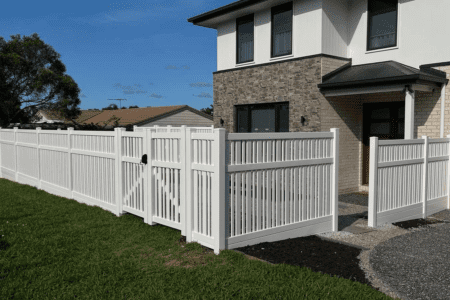
Five fence styles cover most residential and site jobs, with gates to match. Pick a style to see the panels and prices.
Fence Panel FAQs
Measure your fence line in metres and divide by the panel width for a rough count, then add a post for each corner and gate. The calculator does the full set-out, posts and caps included, in about a minute.
Yes. Panels, posts, rails and caps are sold separately, so you can top up an existing fence or order only what a repair needs.
Heights run from 1.2 m for garden borders up to 2 m for full privacy. Widths are standard across the range, which keeps the set-out repeatable.